Our People

From Placement to Profession: Our Future Talent Programme  

September 2026

Facebook icon

.st0{fill:#00857C;} X icon

Linkedin icon

Email icon

Ever wondered where a student placement might take you? How about why you should consider one in the pharmaceutical industry?

At MSD in the UK, our Future Talent Programme is designed to empower students to make a real-world impact from day one, giving students the opportunity to gain hands-on, professional experience while learnings new skills and working on innovative projects in the healthcare sector. 

We caught up with Harry and Poppy; previous MSD student placements who have since secured full-time roles to ask what drew them to the programme.  
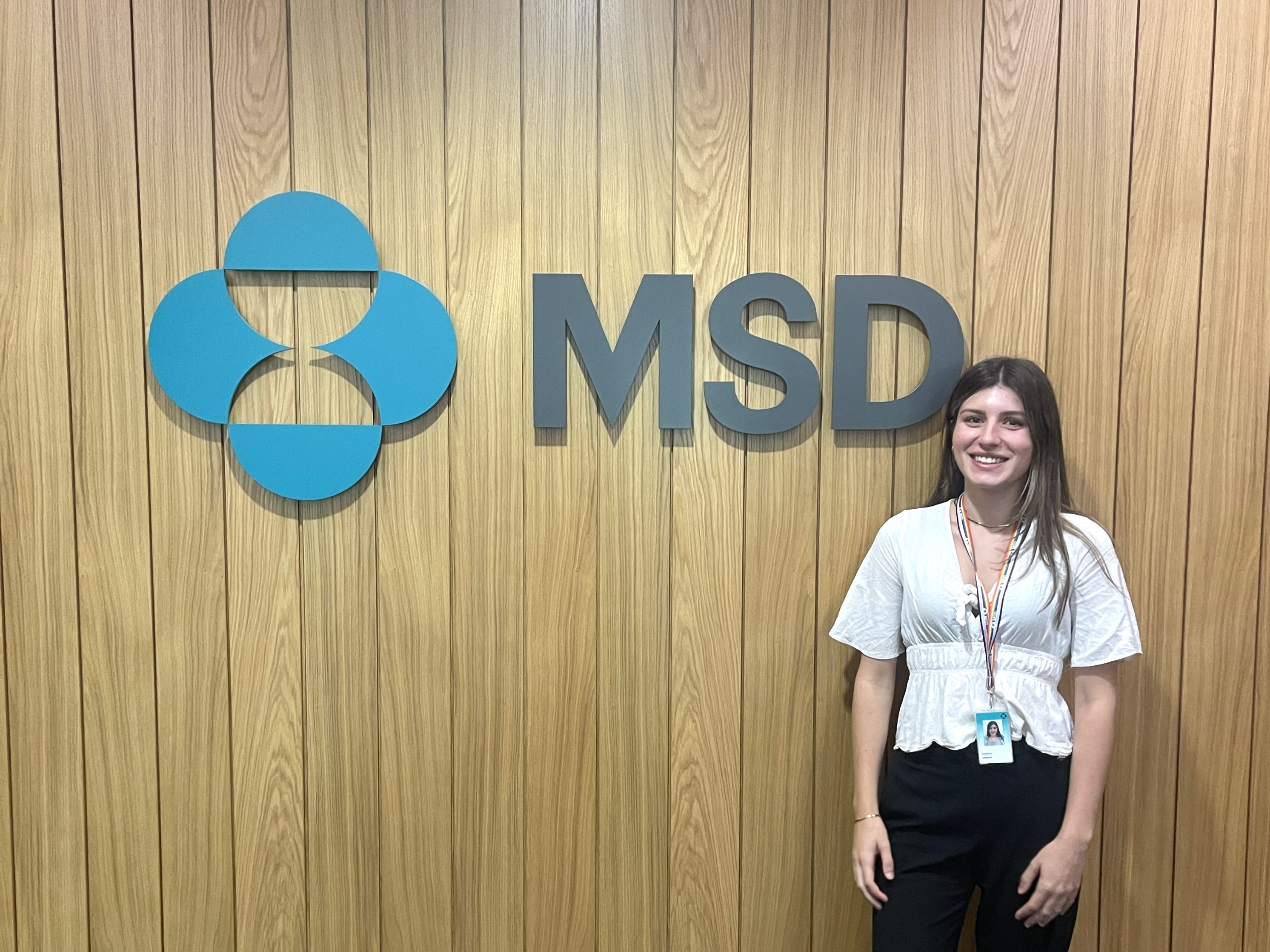
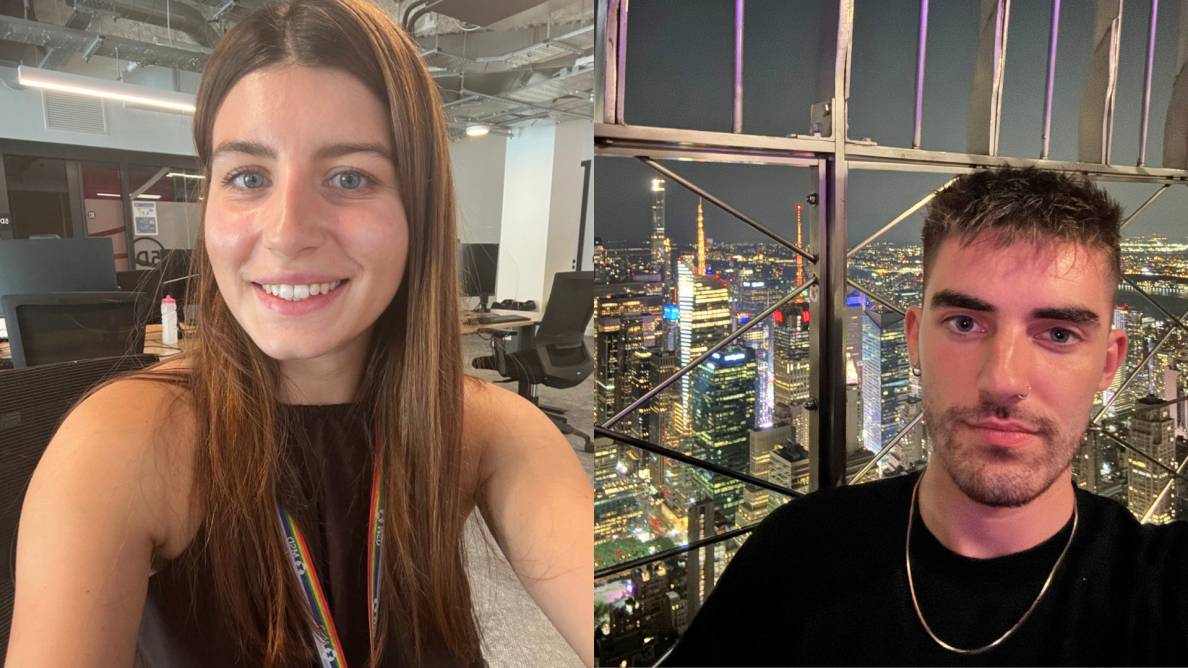
Pictured: Poppy, Clinical Research Associate and former MSD placement student

It’s nice to catch up with you both! Firstly, can you tell us about what you studied at university?  

Poppy: I studied Biomedical Science . At school, I had always loved science and maths because I enjoyed subjects with clear answers. Human health particularly interested me, but at 18 I was not yet sure which area of science I wanted to pursue. Biomedical Science felt like the right choice because it gave me a broad foundation while allowing me to explore that interest further. 

Harry: I also studied BSc Biomedical Science at the University of Birmingham. I’d always been interested in (and good at) science, particularly more the human biology side of things. And while I most enjoyed studying concepts such as human biology, disease, and principles of pharmacology, I knew deep down that I didn’t want to become a doctor or a pharmacist in the future. Hence, Biomedical Science seemed to be a good fit.  

It sounds like university was helpful in figuring out where your interests lie. From that experience, what led you to explore opportunities in pharma? 

Poppy: During the COVID-19 pandemic, I volunteered in the pathology laboratories at my local hospital. It gave me an opportunity to contribute to the response while also experiencing what it was like to work in the NHS, which was a career path I was considering at the time. 

The experience made me realise that I wanted to build on the laboratory skills I had developed while having more contact with healthcare professionals and contributing to the development of new treatments and diagnostic tests.  

My university course included a year in industry, and when I saw an internship advertised for a Clinical Trial Coordinator within Global Clinical Trial Operations, I was intrigued. I knew very little about the role or clinical trials, but it seemed to bring together the areas I was looking for in a career. 

Harry: I got a flavour for lab work during my time at university; however, I quickly discovered that it just wasn’t quite for me. I thrive being in a collaborative and social environment, and I hated the idea of being couped up in a lab room by myself all day. That’s not to say lab work is a bad career, far from it! It just wasn’t the right fit for ME. 

During university, I completed a business-focused module which I really enjoyed. I was drawn to the idea of a career where I could combine both business and commercial acumen with my knowledge and passion for science. Pharma seemed to match that perfectly. 

I was drawn to the idea of a career where I could combine both business and commercial acumen with my knowledge and passion for science. Pharma seemed to match that perfectly.

And it’s great that you landed at MSD! Can you tell us more about your student placement at MSD? 

Poppy: I completed a placement in Global Clinical Trial Operations as a Clinical Trial Coordinator (CTC) intern.  

The year was split into two halves. During the first, I focused on the CTC role and learnt how a clinical trial operates—from setting up a study at a hospital and ensuring patients received the latest trial documents to reviewing finances so that hospitals were paid for their work.  

In the second half, after specialist training, I accompanied Clinical Research Associates (CRA) on visits to hospitals conducting the research, known as trial sites. We checked that each trial was being conducted in line with its approved plan, or protocol, and that appropriate oversight and patient-safety measures were in place. 

The placement gave me a real insight into everything required to run a clinical trial at a site—there was much more involved than I had ever imagined. 

Harry: My placement year was in the Regulatory Affairs department as an Associate Scientist. I gained insight into the execution and management of regulatory submissions to health authorities, whether that be for a new product, or an update to an existing product.  

I also had the opportunity to work on a project where I created a best practice guide and presented this back to my team, becoming a subject matter expert in doing so (a fancy title for someone who’s most knowledgeable in a particular area within your team!).  

Being a student, I quite liked being thought of as an ‘expert’! But it was great in teaching me to take ownership in leading projects, as well as practicing my presentation skills. 

The placement gave me a real insight into everything required to run a clinical trial at a site – there was much more involved than I had ever imagined. 

Sounds like you got involved with a lot! Was there anything about the placement which surprised you? 

Poppy: I was surprised by how much trust and responsibility the wider team gave us. We were encouraged to take ownership of our work, develop expertise and become valued members of the team rather than simply being treated as placement students. 

We were also encouraged to network beyond our immediate teams. That exposure helped me understand the range of careers available within the pharmaceutical industry and gave me the confidence to decide that this was the area of science in which I wanted to build my career. 

Harry: The 7AM wake-ups – now that was a shock after being at uni for two years! And how tiring working Monday to Friday 9-5 can feel at first (you quickly get used to it!). 

Joking aside, I think I was surprised to learn of just the vast wealth of different job roles and careers available to you within the pharma industry. There are roles I never knew existed, until I was within the company and could learn for myself. I think this insight is so valuable when you’re considering your next steps after university, as you have a greater understanding of what’s available out there to you than you would if you didn’t do a placement. 

And do you have any standout highlights from your time here? 

Poppy: What I enjoyed most was the combination of learning, responsibility and teamwork. There were eight interns in my department, so we worked closely and supported one another throughout the year.  

I also valued the freedom to explore projects beyond my day-to-day role. One highlight was helping to develop a head and neck cancer recruitment newsletter for healthcare professionals, designed to raise awareness of our trials and support patient recruitment. Opportunities like this made me feel that I was making a meaningful contribution rather than simply observing. 

Harry: During my placement year, I joined one of MSD’s Employee Business Resource Groups (EBRGs). I became a core team member of the UK Rainbow Alliance, putting my passion for advocating D&I into practice. I got to work on some really cool initiatives – the best being our participation in the Pride in London parade. It was so much fun getting to stand together in solidarity with the LGBTQ+ community with my colleagues and show our support. 

In fact, I enjoyed my time in the EBRG so much, that I ended up stepping into the role of co-lead – a role I’ve now been in for almost 2 and a half years! So it provides you with a great stepping stone into a leadership role at an early stage in your career, which looks fantastic on your CV. 

Pictured: Co-leads of the Rainbow Alliance, Harry (left) and Rhianna (right), representing MSD at Pride in London

Students are such a valued part of the team at MSD and it’s amazing to hear you’ve got so much out of it. How would you say the experience helped you grow? 

Poppy: My placement opened my eyes to a completely new area of science. Alongside gaining practical knowledge of clinical trials, I developed essential professional skills, particularly communication, teamwork and confidence. I regularly contributed to meetings and delivered presentations to large groups. Towards the end of my placement, I presented at a departmental meeting attended by more than 100 people – something I would once have found very daunting.  

The placement also helped me secure a role as an Associate Clinical Research Associate immediately after graduating, and I have since progressed in the role. I am now preparing to begin a Master’s in Health Economics and Health Policy Analysis. My interest in this area was sparked by a clinical trial I worked on in general medicine, showing how one opportunity can continue to shape the next stage of your career. 

Harry: My genuine advice is that doing a placement year is the best thing you can possibly do during your time at university to advance your job prospects for when you graduate. Sadly, the job market these days can be tough, especially with more people graduating than ever before. So you need to consider how you’re going to gain a level of experience and develop yourself professionally so that it differentiates you from others. Doing a placement year does just that.  

You learn so many different things: what it’s like to work in an office, collaborating with colleagues of all ages and backgrounds, how to build your professional network, developing key skills which are vital in taking back to university with you – such as presentation and time management skills. 

My genuine advice is that doing a placement year is the best thing you can possibly do during your time at university to advance your job prospects for when you graduate.

And finally, do you have a message to anyone considering a student placement? 

Poppy: I would strongly encourage anyone considering a student placement to apply. A placement gives you practical experience, builds your confidence and helps you understand what you enjoy—and what you may want from your future career. Be open to roles you have not heard of before; they may introduce you to an area you never knew existed and spark an interest you did not know you had. 

Harry: It’s the best thing you can possibly do for your future career prospects, professional and personal development. Do it – you won’t regret it one bit. 

But do make sure you get your interview prep nailed down – student placements are notoriously competitive. Let your passion for the opportunity shine through! 

Interested in hearing more and applying? Our Future Talent Programme is opening soon.

Make sure you don’t miss out. Register to our Future Talent Community to receive updates on when applications go live.  

GB-NON-13420 | August 2026

Our People

Supporting the HIV community and marking World AIDS day

December 2025

Facebook icon

.st0{fill:#00857C;} X icon

Linkedin icon

Email icon

Colleagues from across our UK business have been demonstrating their support for the HIV community over the last few months, with a range of activities and initiatives.

20 of our colleagues came together for a volunteering day, organised by our UK Rainbow Alliance Employee Business Resource Group (EBRG), with Positive East – an East London-based charity dedicated to supporting people living with and affected by HIV. 

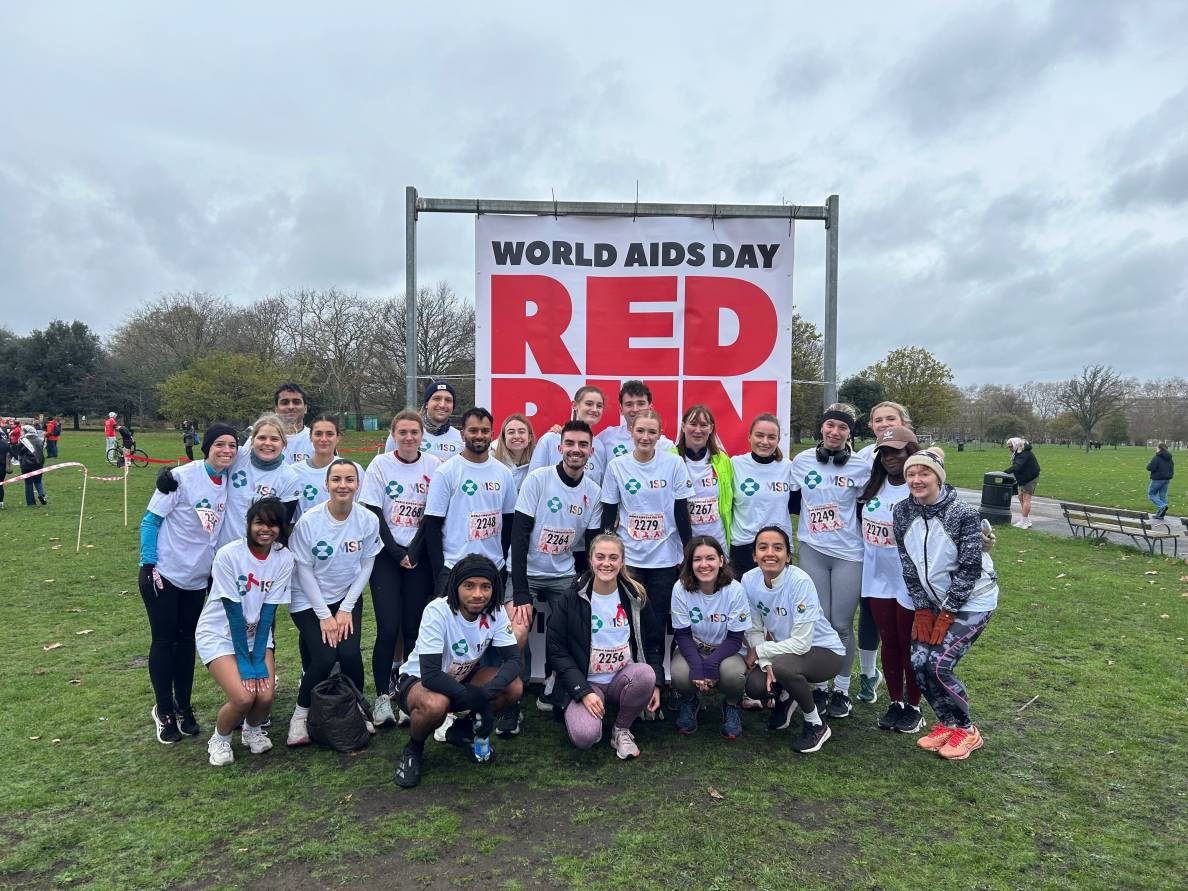
MSD is a proud sponsor of Positive East’s annual RED RUN, which raises awareness and funds for HIV services across the UK. In preparation for the 2025 event, our volunteers made a vital contribution by assembling over 1,800 runner packages to be sent to participants ahead of the big day. They also packed finish line bags filled with medals, and educational resources providing crucial information on HIV and STI testing and access to support services. This marked the third year running that the Rainbow Alliance has partnered with Positive East to offer our colleagues an opportunity to use their volunteering hours and give back to the local community.

A reflection from one of our volunteers: 
“Thank you for the opportunity to participate in this volunteering event. It was a wonderful and rewarding day. I’m grateful to have been part of the team and to have supported such a meaningful cause”. 

The RED RUN, held annually in Victoria Park in East London, is the UK’s largest HIV community event, supporting 31 HIV charities across the country. 35 colleagues from across our business walked, ran, and even sashayed the 5km or 10km route, alongside another 1,800 people taking part. The inclusive event welcomes all ages and abilities, fostering a spirit of community over competition.

Our colleagues also marked World Aids Day earlier in November with an internal panel focused event that led to engaging conversation on HIV, including shared insights from colleagues and their lived experience. Attendees left with an improved understanding of how to be allies to the HIV and LGBTQ+ community and beyond.

We were lucky enough to be able to display one of the 42 panels of the UK AIDS Memorial Quilt in our London Moorgate office, which offered an opportunity for colleagues to reflect, remember and celebrate all lives lost to HIV. The quilt offered a reminder of how far we have come in the fight against HIV, and the work still left to do.

Our Volunteers

UK AIDS Memorial Quilt


GB-NON-12445 | December 2025


Innovation

Inspiring Minds and Driving Equity: MSD’s 5th Hackathon

September 2025

Facebook icon

.st0{fill:#00857C;} X icon

Linkedin icon

Email icon

The 5th edition of the Health Equity hackathon, hosted by MSD’s LEAD (League of Employees of African Descent) UK Employee Business Resource Group (EBRG) network in collaboration with Eli Lilly’s embRACE, brought together curious undergraduates from across the country, to propose innovative solutions to health equity challenges.  

Over 70 students from a range of academic and cultural backgrounds brought inspiring enthusiasm and fresh ideas to health equity challenges. They collaborated in small teams, with the support of a facilitator, to propose solutions to address disparities in health equity. Teams worked across 4 themes, including access to healthcare in older adults, the impact of mental health on outcomes, driving diversity in clinical trials and improving health literacy. 

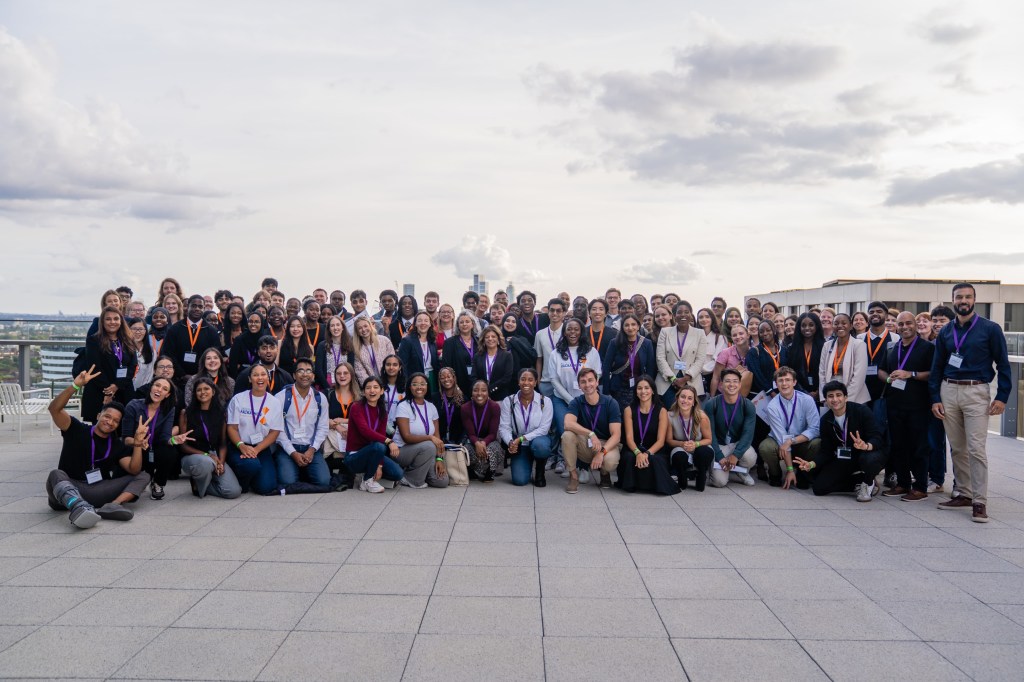
Group photo of Hackathon participants and colleagues from MSD and Lilly

After ‘hacking’ their problem statement, students presented solutions to senior leaders from both companies who served as judges. Despite an incredibly high standard, the judges managed to select winners from each theme. These groups then went on to present in the final round in front of a full auditorium, with Ben Lucas (Managing Director, MSD UK and Ireland) and Christopher Stokes (President and General Manager of Lilly, UK and Northern Europe) sitting on the panel as final round judges.  

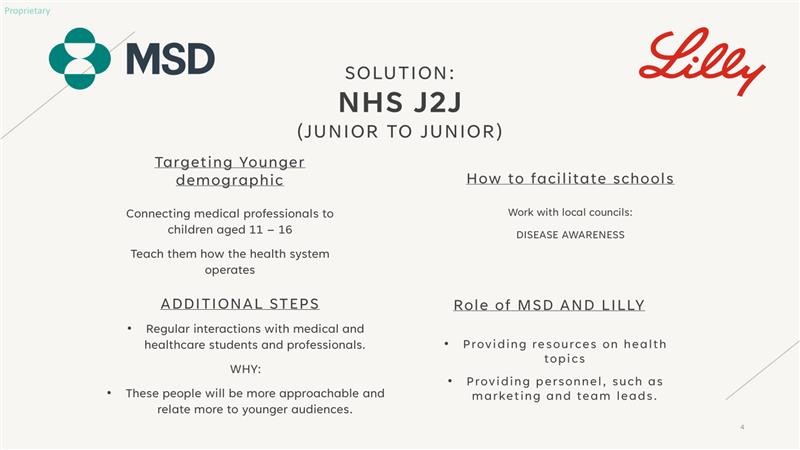
The winning solution won praise for being innovative, inclusive and patient-focused. It addressed the challenge of improving health literacy in underserved and ethnic minority communities to better understand, access, and use health information to achieve better outcomes. The winning team proposed connecting junior/resident doctors to young people aged 11-16 years old. Through creating this ‘Junior to Junior’ connection, their initiative aimed to increase awareness of the health system and build trust in communities.  

Excerpt from the winning solution

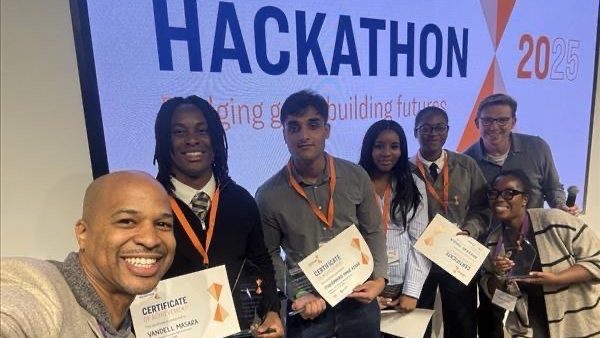
Selfie with the winning team!

“I was genuinely impressed by the depth of insight and creativity the students brought to their solutions. Their work demonstrated by their strong technical skills and a deep understanding of social impact allowed for innovative, inclusive and patient-focused outcomes to be designed. The diverse, empathetic approaches to health equity and their ability to tackle complex challenges with passionate and energetic actionable ideas were standout qualities. Judging the event was a privilege and a powerful reminder of the value of fresh perspectives in addressing systemic health issues.”  

– Jasveen Chugh, Pharmaceuticals Business Unit Director, MSD UK

In addition to raising awareness of the importance of health equity, across the 2-day event, students were also able to gain a real insight into what a career in the pharmaceutical industry can offer them. Through hearing from, and networking with, a range of colleagues from senior leaders to current placement students (some of whom took part in previous hackathons), they gained an understanding of the diversity of roles available for them to apply for. 

Post-event networking session

Hackathon co-hosts Fiona Noah (MSD) and Paige Boateng (Lilly)

MSD is proud of the hackathon’s role in empowering and developing future leaders and forming a pipeline of diverse talent; by attending the hackathon, the participants and winning group will be accelerated through both MSD and Lilly’s early talent programme assessment stages.  

Fiona Noah and Mauranda Lewis, Co-Lead’s of LEAD UK offered their reflections on the day: 

‘As the leaders of LEAD UK, we’re really proud of how this year’s Health Equity Hackathon went. What stood out most was the students’ passion, drive, and tireless effort. Their creativity, determination, and dedication to tackling tough health equity challenges was inspiring and showed the future leaders and innovators in the making. 

The quality of ideas, collaborative spirit, and innovative solutions shared throughout the day was truly impressive. It’s amazing to be able to contribute to an initiative that not only sparks innovation but also champions representation and access in healthcare’ 

Professional photos taken by Esther Akin

GB-NON-11910 | September 2025


Our People

A leading people-first employer: Top Employer UK/Europe 2024

January 2024

Share this article

Facebook icon

.st0{fill:#00857C;} X icon

Linkedin icon

Email icon

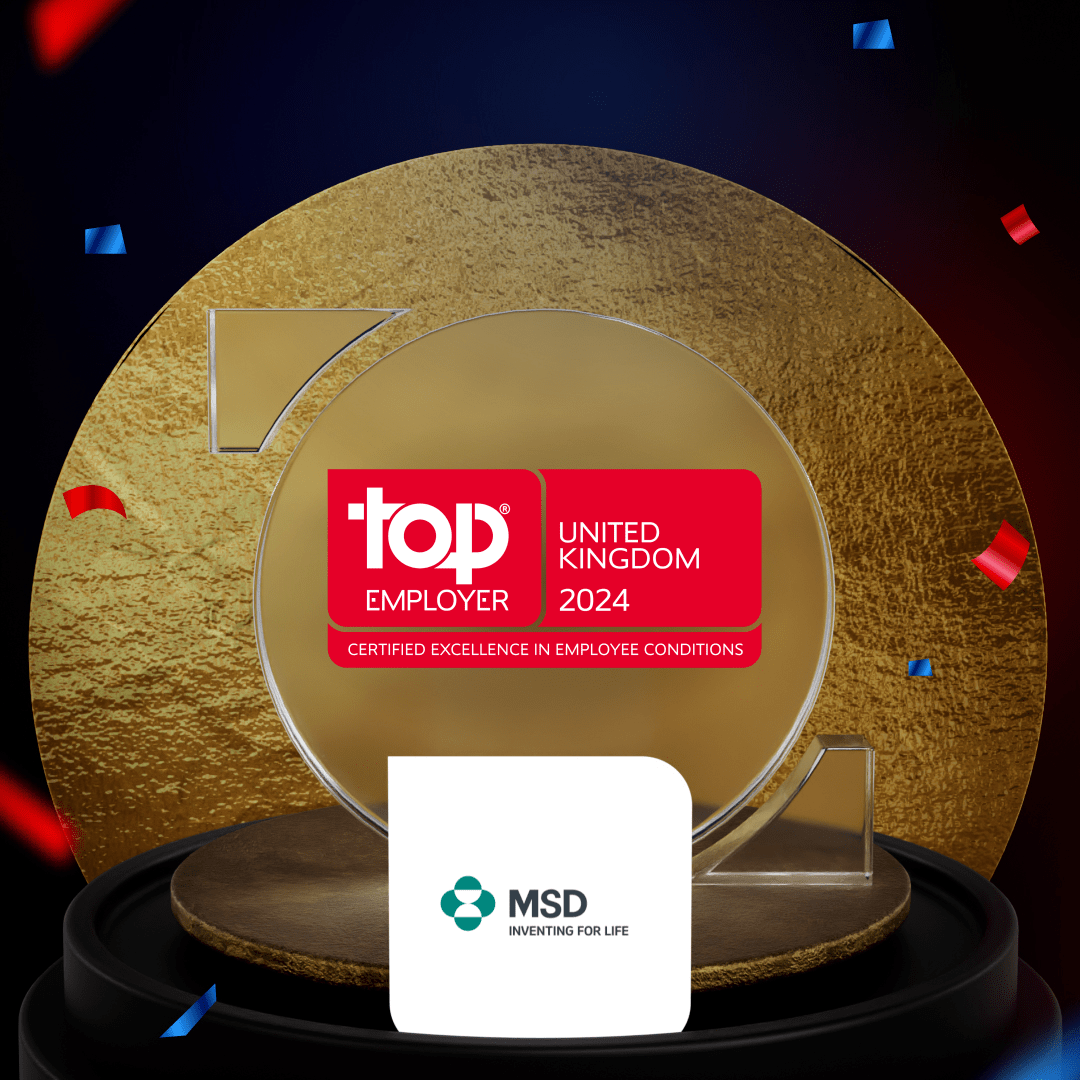
The Top Employers Institute is the global authority on recognising excellence in people practices and for the seventh year running we have been recognised for demonstrating care for the development and well-being of our people.  

What makes us a Top Employer?  

MSD is certified in seven countries and growing. Being certified as a Top Employer showcases an organisation’s dedication to a better world of work and exhibits this through excellent HR policies and people practices.  The certification covers six HR domains consisting of 20 assessment topics. A detailed analysis of our best practices scored us in areas such as People Strategy, Work Environment, Talent Acquisition, Learning, Diversity, Equity & Inclusion (DE&I) and Wellbeing.

Our top scoring sections were ‘Develop’, ‘Unite’ and ‘Engage’, and we were recognised for some of the important initiatives we have in place in these areas.

In the area of ‘Develop’, our support as well as our employee development programmes have taken us above benchmark, in particular our Talent Growth Framework and LEAD your career programme were identified as exemplar in supporting the individual in their development, acknowledging that development is different for everyone.  

In ‘Unite’ we scored highly in ‘ethics and integrity’ and ‘purpose and values’ which is integral to our work as a pharmaceutical company and we were also recognised for our work in DE&I where we scored an increase of 9% from previous year for our approach and strategy. This past year we have focused on developing both ownership and accountability in the DE&I space.

Other stand out initiatives include the work of our Employee Resource Business Groups who have driven the implementation of a new ‘Transitioning At Work’ policy, a new ‘Menopause Policy’ and a mandatory ‘Sexual Harassment’ training programme for all employees.

Our focus on ‘Wellbeing’ includes our mental health network of trained first aiders, our new early talent mental health group and a varied and regular programme of education on available employee support and benefits.

It is an honour to be validated, certified, and recognised as an employer of choice UK and Europe. We will not rest on our laurels but are committed to continuously evolving and improving our people practices.

                    Top Employers Institute: For a Better World of Work

GB-NON-08845 | January 2024 Approved for continued use January 2026

Our People

Empowering new parents at MSD

November 2023

Share this article

Facebook icon

.st0{fill:#00857C;} X icon

Linkedin icon

Email icon

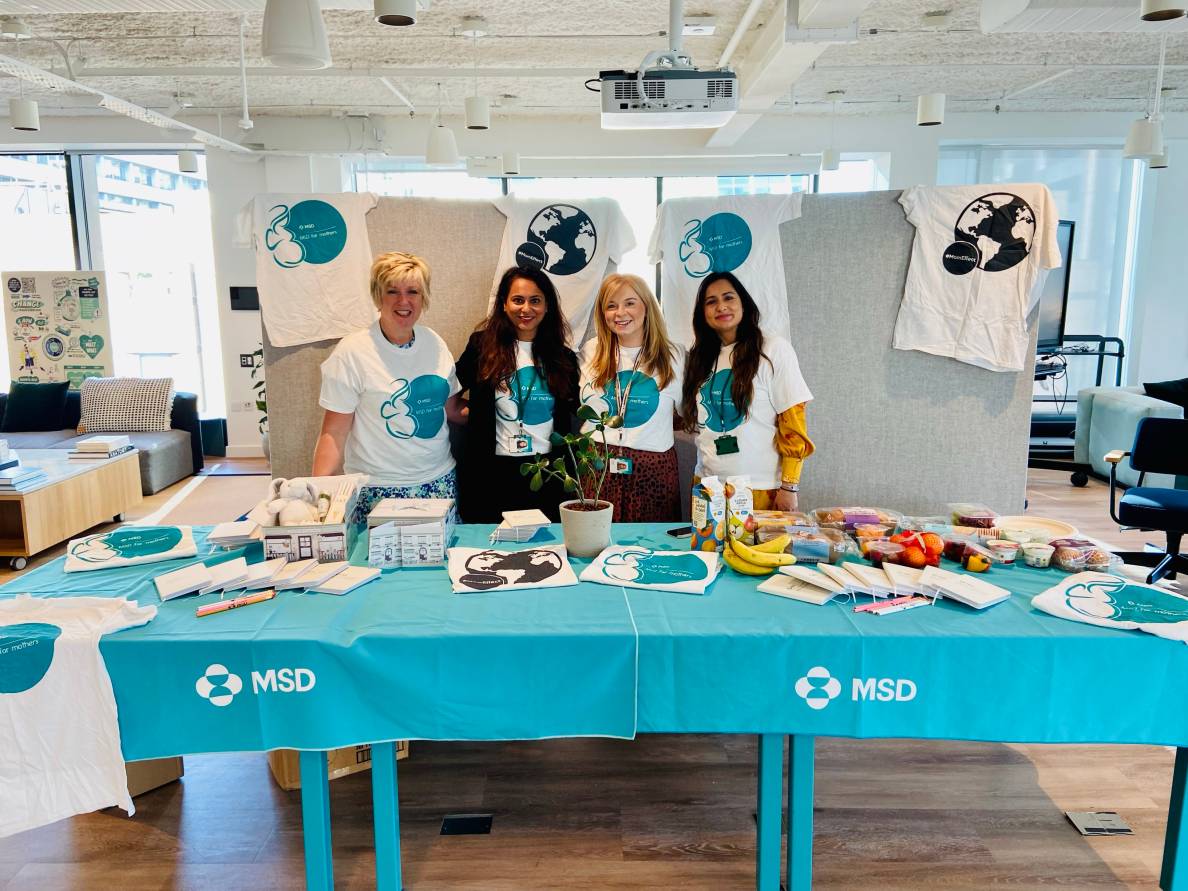
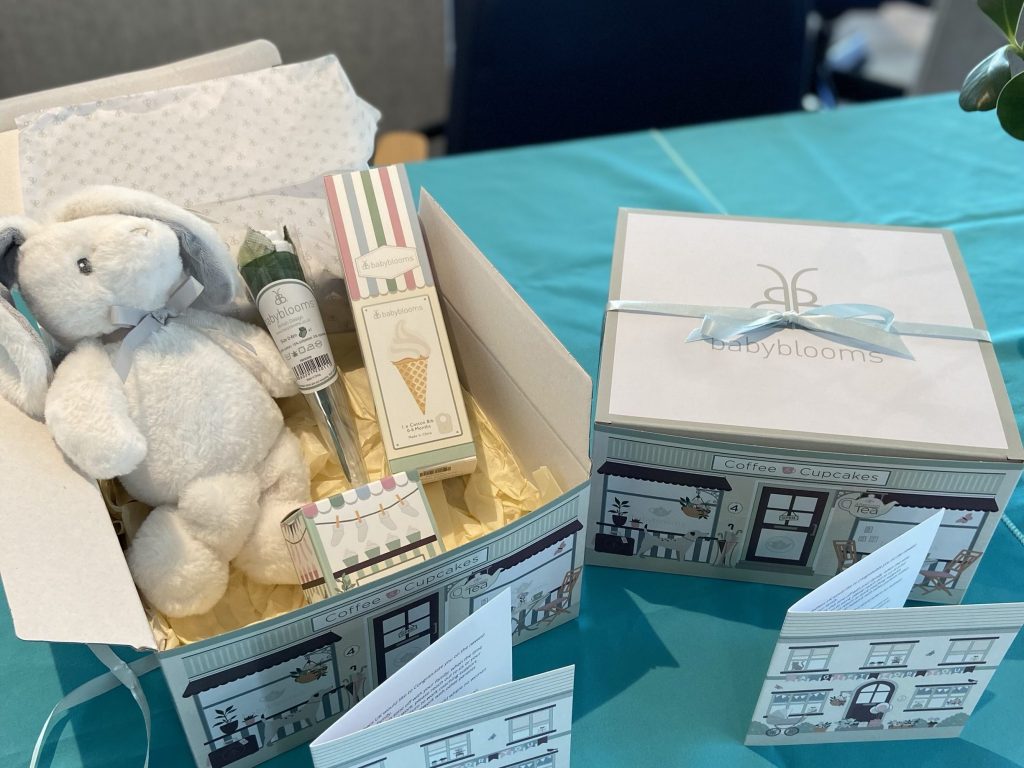
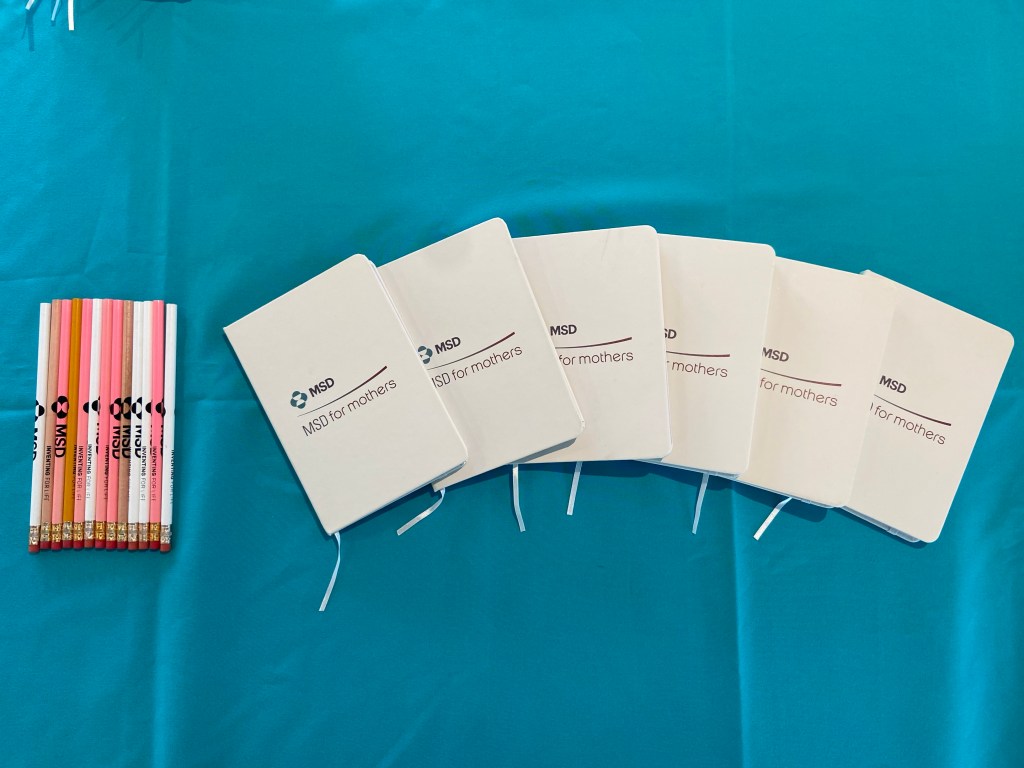
MSD for Mothers UK proudly launched ‘Parent Packs’, a thoughtful initiative dedicated to easing the return to work for new parents and offering a supportive hand to those on parental leave. 

There’s no manual for raising little ones, but support, community, and the confidence to manage it all can go a long way! 

Recognising the tremendous value a strong and unwavering support system can have for new parents, MSD for Mothers ‘Parent Packs’ programme centres around sharing experiences, boosting confidence, and providing practical strategies to re-enter the workforce with confidence. 

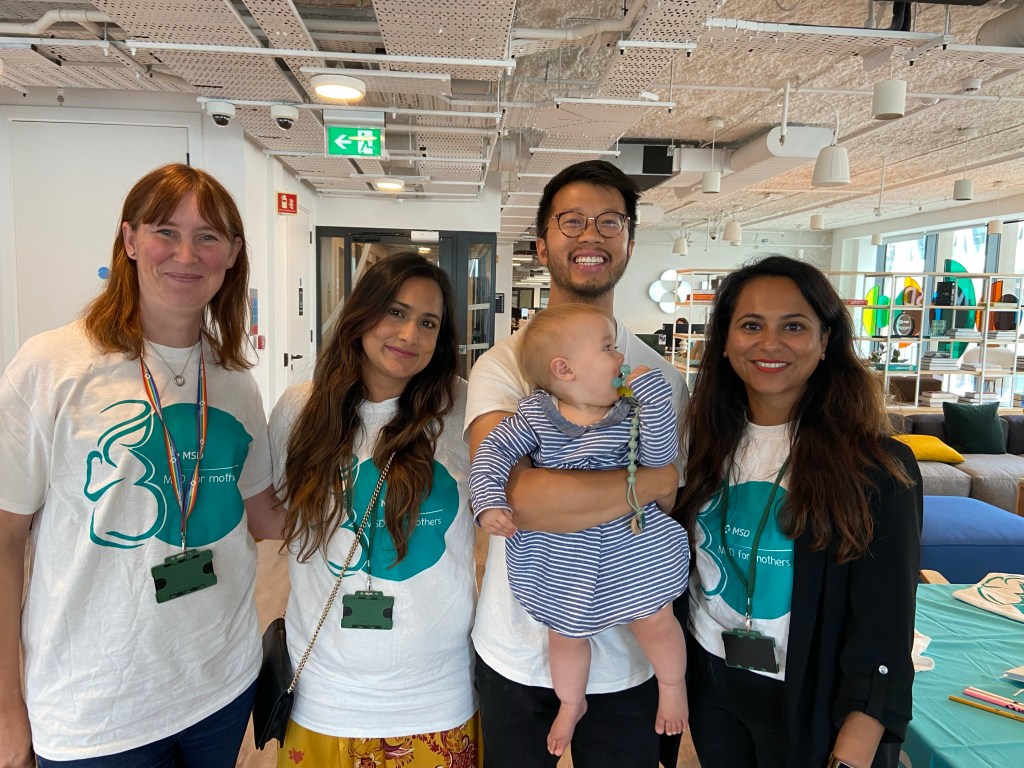
The launch was coupled with an engaging group coaching session facilitated by an award-winning partner. New parents and those on parental leave were warmly invited to our Moorgate and Milton Keynes offices for a session focused on enhancing confidence and equipping parents with practical strategies for a seamless return to work.

The morning wasn’t just productive; it was an enjoyable experience filled with enriching conversations and cathartic moments, contributing to the establishment of a robust, supportive community for MSD’s newest parents 

By focusing on shared experiences, fostering confidence and community, and working with individuals to craft a robust re-entry strategy, we are elated and honoured to extend our support to all new parents at MSD!

GB-NON-08517 | October 2025

Our People

Behind the scenes: Navigating clinical trial operations

October 2023

Share this article

Facebook icon

.st0{fill:#00857C;} X icon

Linkedin icon

Email icon

Ever wondered about the unseen heroes behind ensuring upholding patient safety in clinical trials?

Patient safety lies at the core of every healthcare organisation, and this holds particularly true for our Global Clinical Trials Operations team (GCTO). Their mission revolves around safeguarding patients during clinical trials, maintaining data accuracy, and serving as the vital link between hospitals and MSD. Often unsung, they play a pivotal role in ensuring seamless and safe clinical trials.

To gain a deeper insight into the dynamic realm clinical operations, we sat down with Noorie. A former work experience intern at MSD who has since flourished into a Clinical Research Associate, we delved deep into her professional journey which ultimately lead her to the heart of clinical operations

Interviewer: Noorie, let’s start at the beginning: could you share how your journey began at MSD, especially considering the impactful experience that motivated you?

Noorie: Well, it all began when I was 15 years old. My mum was diagnosed with rheumatoid arthritis and it was absolutely devastating.

Witnessing the profound impact it had on her health was a real eye-opener, and around the same time I decided to go for a work experience at a pharmaceutical company. I was very blessed to be given that opportunity at MSD.

Interviewer: That’s a compelling start. Could you shed some light on your role within GCTO at MSD?

Noorie: Certainly, I’m an integral part of the global clinical trials operations team at MSD. We oversee and manage the operations involved in executing our company sponsored clinical trials.

Interviewer: What inspired you to work at MSD?

Noorie: So when I went to MSD, I got to talk to many different people in different departments. It gave me a big inspiration because I realized, wow, all these people are working to a common goal trying to cure different types of diseases. It’s actually the people who work at MSD that really inspire me. Everyone works together. We’re all working as a team and working with the NHS staff as well. They all know what is at stake. It’s like one big family.  

It’s actually the people who work at MSD that really inspire me… it’s like one big family

Interviewer: Your role involves bridging the gap between hospitals and the sponsor company. Could you elaborate on this vital aspect of your role?

Noorie: Yes of course! I work with a lot of NHS hospitals and that partnership is so key. Being the liaison between the hospital and the sponsor company ultimately has a huge impact on patients and the NHS as my role is ensuring sites compliance to study protocol as well as good clinical practice. Ultimately, it’s about upholding patient welfare and safety and ensuring the data is accurate for regulatory approval.  

Interviewer: Your workdays seem quite dynamic! Can you give us a glimpse of what your typical week looks like?

Noorie: I’m a Clinical Research Associate or CRA for short. I’m a field based CRA, which means I work around three days at different hospital and two days from home. At these hospitals I work closely with investigators and the team. When at home for the other two days, I’m catching up with admin.

Interviewer: What are the key things you look at when you go to the hospital?

Noorie: When I visit hospitals, my main focus is on data integrity. I’m making sure patient notes, prescriptions, and everything at the hospital matches what they’re entering onto the database. And without having that, we wouldn’t know if the clinical trial is running smoothly.

Interviewer: It’s clear you’re deeply involved with your work. What would you say is your favourite aspect of the role?

Noorie:  The highlight for me has been travelling across the UK and Ireland, engaging closely with research nurses, pharmacies, doctors, and the remarkable hospital teams. It’s an enriching part of the job.

Interviewer: And finally, if you had to capture your MSD experience in just three words, what would they be?

Noorie: Innovative, collaborative, and inclusive. It’s one of the main reasons that I continued working at MSD after I graduated from my Masters; it’s been eight years and I’m very happy here!

To learn more about our GCTO Early Talent roles and explore other positions, head to our jobs page


GB-NON-08144 | October 2025

Our People

Inspired Through Volunteering

September 2023

Share this article

Facebook icon

.st0{fill:#00857C;} X icon

Linkedin icon

Email icon

From gardening at the Macmillan Horizon Centre in Brighton to volunteering at the British Transplant Games in Coventry, individuals and teams across MSD reach out to support charities and not-for profit organisations. We asked what inspired them…

Team Gardening

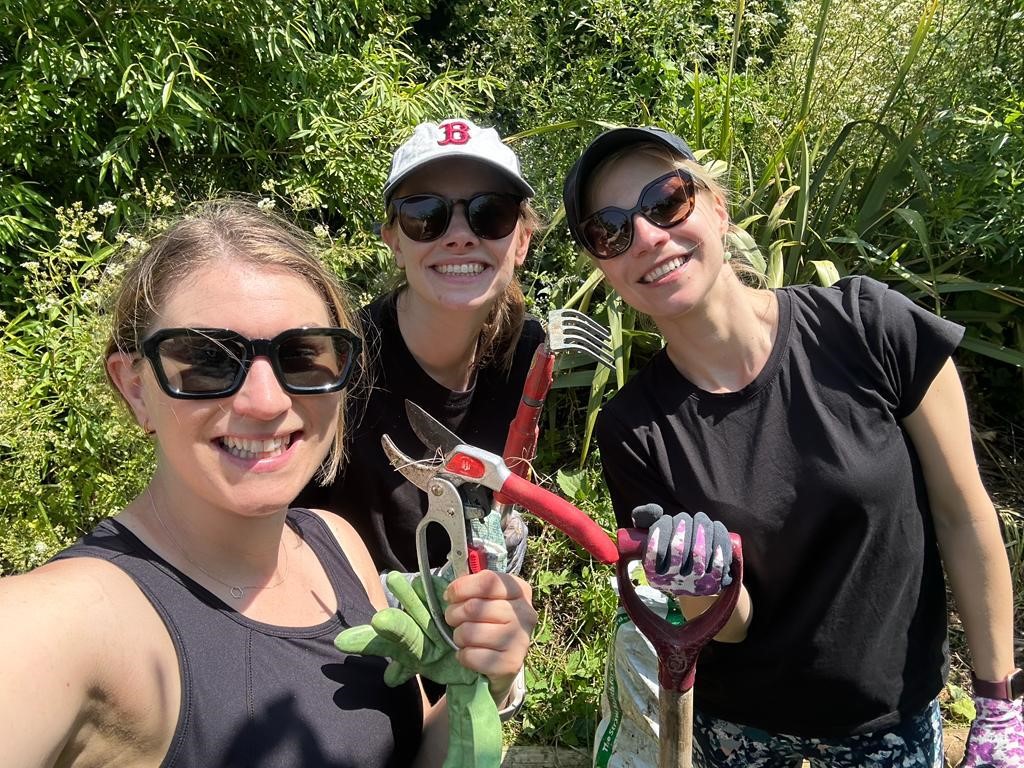
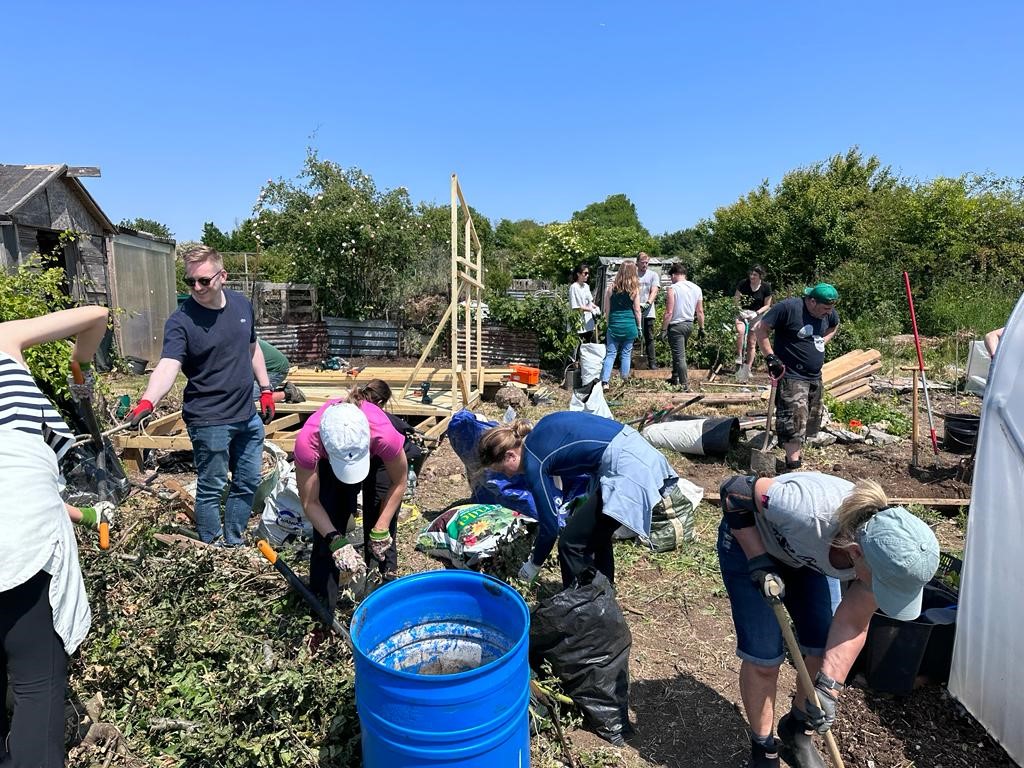
The Corporate Affairs Team took the opportunity to give back when they undertook a half day of gardening at the Macmillan Horizon Centre in Brighton – a place where the Centre’s patients and families spend time enjoying the allotment’s sea views, vegetable garden and flowers.

“We saw a huge change in the allotment in just one morning and knowing that the Horizon Centre’s patients and families can now enjoy the refreshed allotment for the whole summer is inspiring. We were incredibly lucky with the weather on the day. In total we volunteered for 66 hours in just one morning, that’s over two weeks of full-time work for one gardener!”

When it Comes to Animals

Members of Animal Health’s Equine Team found the perfect place to provide a helping hand. The team utilised their hours volunteering at the World Horse Welfare , the largest centre of its kind in the UK. Starting off with a tour of the facility learning about the rehabilitation and re-homing process for the horses, their day was then spent weeding, cleaning and re- filling water troughs – there are 120 horses onsite!

“Volunteering at World Horse Welfare was a great opportunity for our team to continue to build our strong team culture whilst supporting the equine industry. The day helped us get closer to them as a charity, whose equine health and welfare work share many of the values we do at MSD.”

Going for Gold

Having undergone a kidney transplant two years ago, one of our employees joined the Transplant Sport Northern Ireland (TSNI) charity during his recovery. This year, he helped to raise awareness and promote the life-saving impact of organ transplants by leading the NI team at the British Transplant Games in Coventry.  He helped organize logistics and training to take a group of transplanted patients of all ages to Coventry to compete in the Games, as well as taking the chance to compete in the swimming.

“The Games’ main aim is to encourage patients to regain fitness after their transplant and help persuade more people to join the UK donor register. To celebrate the gift of transplant through sport was fantastic. It is also a great way to showcase how organ donation can be truly lifesaving. The Transplant Sport Northern Ireland Team came away with 13 Gold, 9 Silver and 8 Bronze medals this year alongside a lot of great memories.”

Clearing the Environment

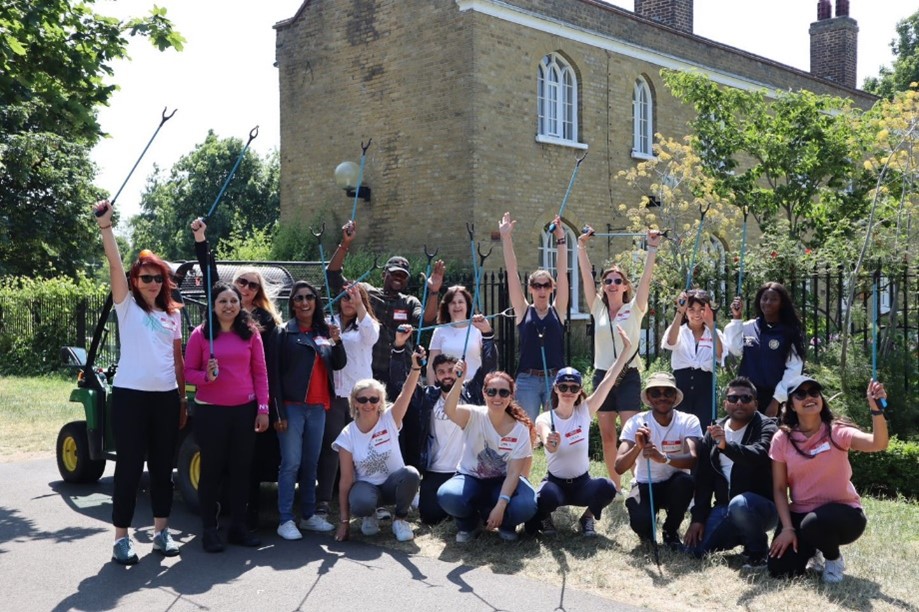
The Regulatory Affairs and Pharmacovigilance teams wanted to find a volunteering opportunity to both support the community’s well being and do something good for the environment. What better way than doing some litter picking at Burgess Park with Southwark Council!

“Parks have a positive impact on people’s mental health (as we saw especially during the pandemic) so creating this clearer environment allowed us to give back to a local community which does not have the resources to focus on litter pollution. Preventing dangerous items polluting natural habitats also protects and enhances biodiversity in the park.”

MSD encourages all employees to volunteer in the community granting 40 hours paid leave each year. Hundreds of hours are racked up giving back in varied roles, and so many stories are shared of how truly inspiring they find the experience.

GB-NON-08076 | September 2023 | Approved for continued use Aug 2025

Our People

Smashing Stereotypes for British Science Week 2023

March 2023

Share this article

Facebook icon

.st0{fill:#00857C;} X icon

Linkedin icon

Email icon

The annual Smashing Stereotypes campaign is run by the British Science Association (BSA) during British Science Week, encouraging STEM employees and researchers to share stories about their day-to-day work. The BSA wants to showcase the diversity of the STEM workforce, the broad range of jobs and careers available, and that science can be for anyone. 

With short films, interviews, and behind-the-scenes photography, the Smashing Stereotypes campaign profiled 5 MSD employees working across MRL, human and animal health, showcasing how they are smashing stereotypes in their roles as they work to save and improve lives. 

By identifying and showcasing diverse role models, we can play our part in helping to break down misconceptions and barriers about who can be a scientist, and what they do 

 Check out our MSD colleagues’ profiles below to find out how they are Smashing Stereotypes!   

MSD has provided partial funding towards the Smashing Stereotypes 2023 campaign

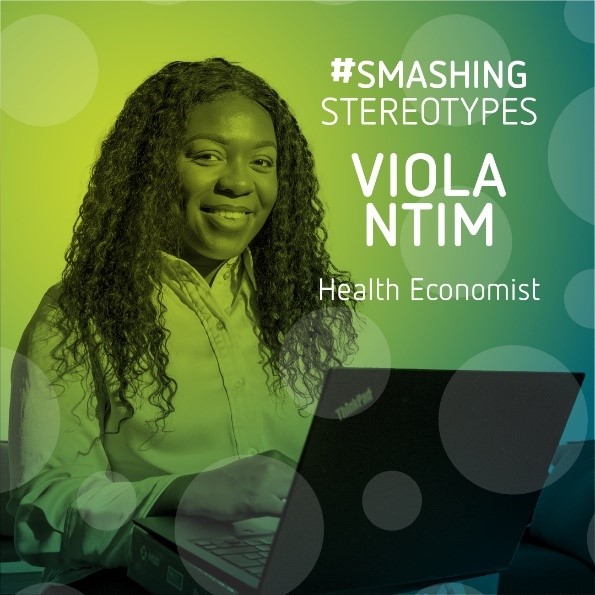
Viola Ntim

After studying pharmacy at the University of East Anglia, Viola completed her Masters degree in International Health Policy at the London School of Economics and Political Science.

At MSD she works as a health technology assessment and outcomes research (HTA&OR) manager, helping to decide whether new medicines are cost-effective through developing and designing models.

‘There’s a stereotype about careers in science or health that you have to work in a lab or hospital. In fact, there are plenty of office-based jobs in the medical field in which you can still have a huge impact on patients. As a Black woman, I am also an example that ethnic minorities can work in science.’

Read Viola’s full profile

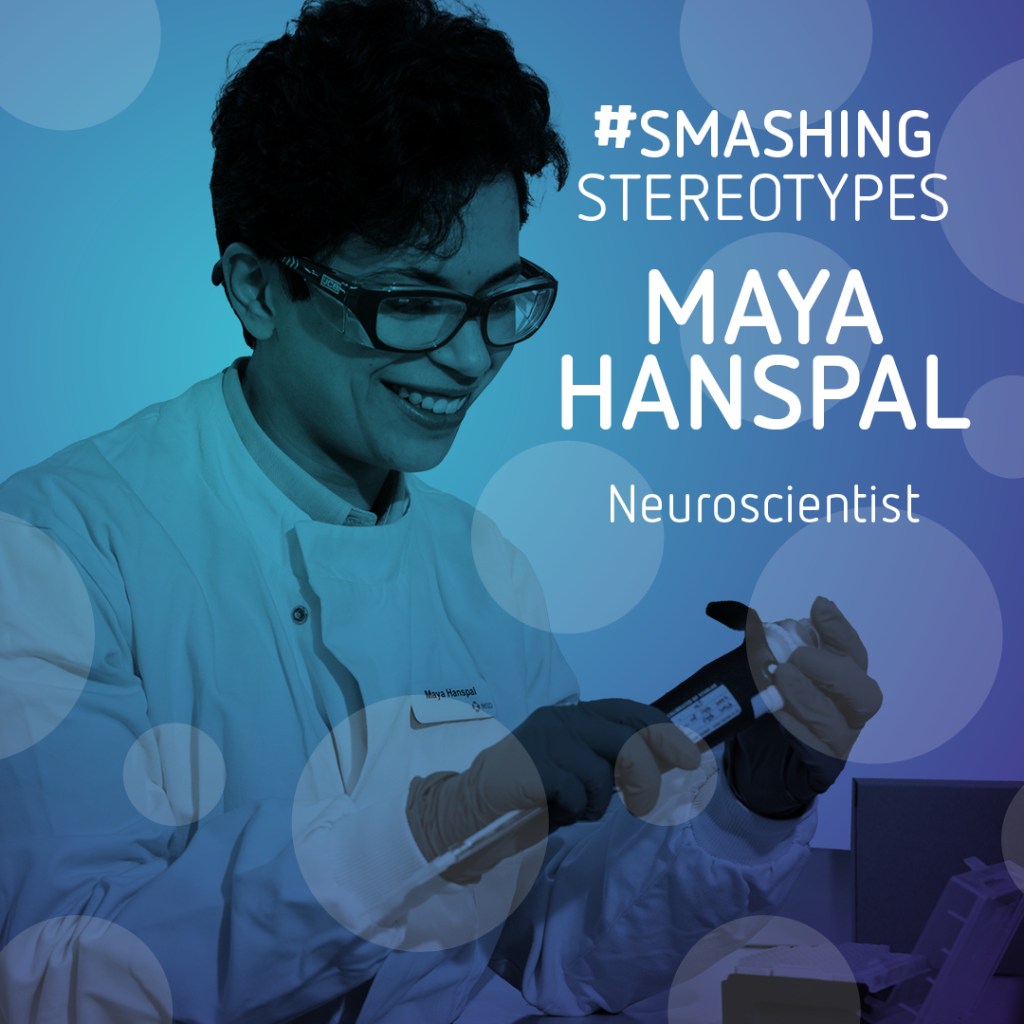
Maya Hanspal

After a degree in medical neuroscience from the University of Sussex and a PhD in Chemistry at Cambridge, Maya joined MSD as a cell biologist.

Maya is based in the company’s London Bioscience Innovation centre in Kings Cross, investigating neurodegenerative diseases of ageing.

‘People often think that scientists must be incredibly analytical and mathematically minded. These skills are important, but I think creativity and thinking outside of the box are just as valuable. Science is all about problem-solving after all!

Read Maya’s full profile

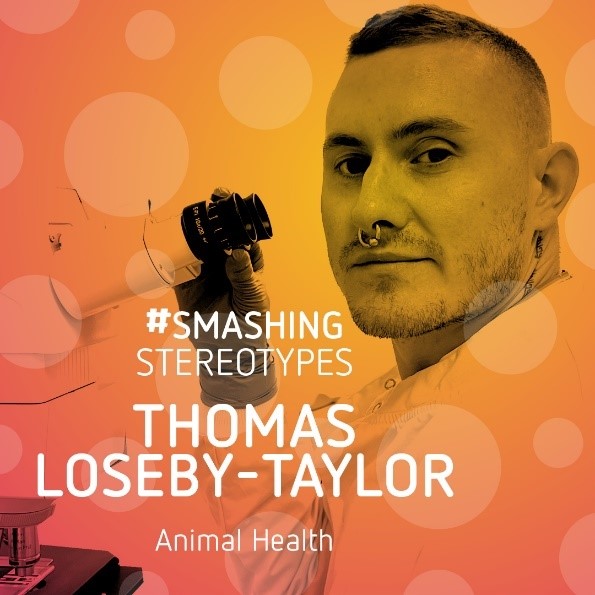
Thomas Loseby-Taylor

Tom started working with animals at just 13. His first job was as a kennel assistant at a local veterinary hospital – a role he continued throughout school. At university, he studied Animal Welfare and Veterinary Science before becoming a veterinary nurse.

He is now Senior Pharmacovigilance Officer where he is also Rainbow Alliance Lead for Animal Health.

The stereotypical view of science, I think, is that it’s boring and predictable. My experience is the complete opposite: Yes, the fundamentals of science are chemistry, physics, and biology, but what’s possible is almost limitless.’

Read Thomas’ full profile

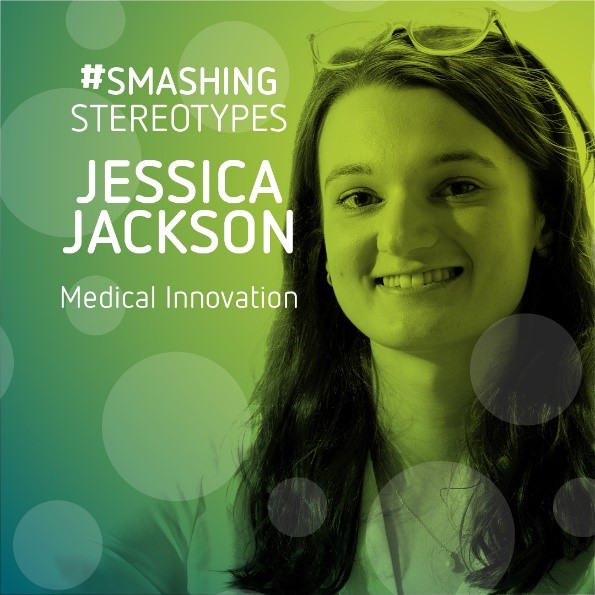
Jessica Jackson

Jessica grew up swimming competitively and competed at the 2018 Commonwealth Games in Australia as part of Team England.

She studied Biomedical Science at Plymouth University and during her time there was accepted as a Medical Affairs Associate at MSD as a student industry placement.

Jessica now works at MSD in the Medical Innovation team in Medical Affairs.

During my degree, I did a student industry placement at MSD. Initially, I felt like an imposter, but thanks to the support and mentorship I got at MSD, I returned to university with renewed purpose, completed my degree, and then went on to study for a part time Master’s degree at the University of Oxford – something I never thought would be possible for me.

Read Jessica’s full profile

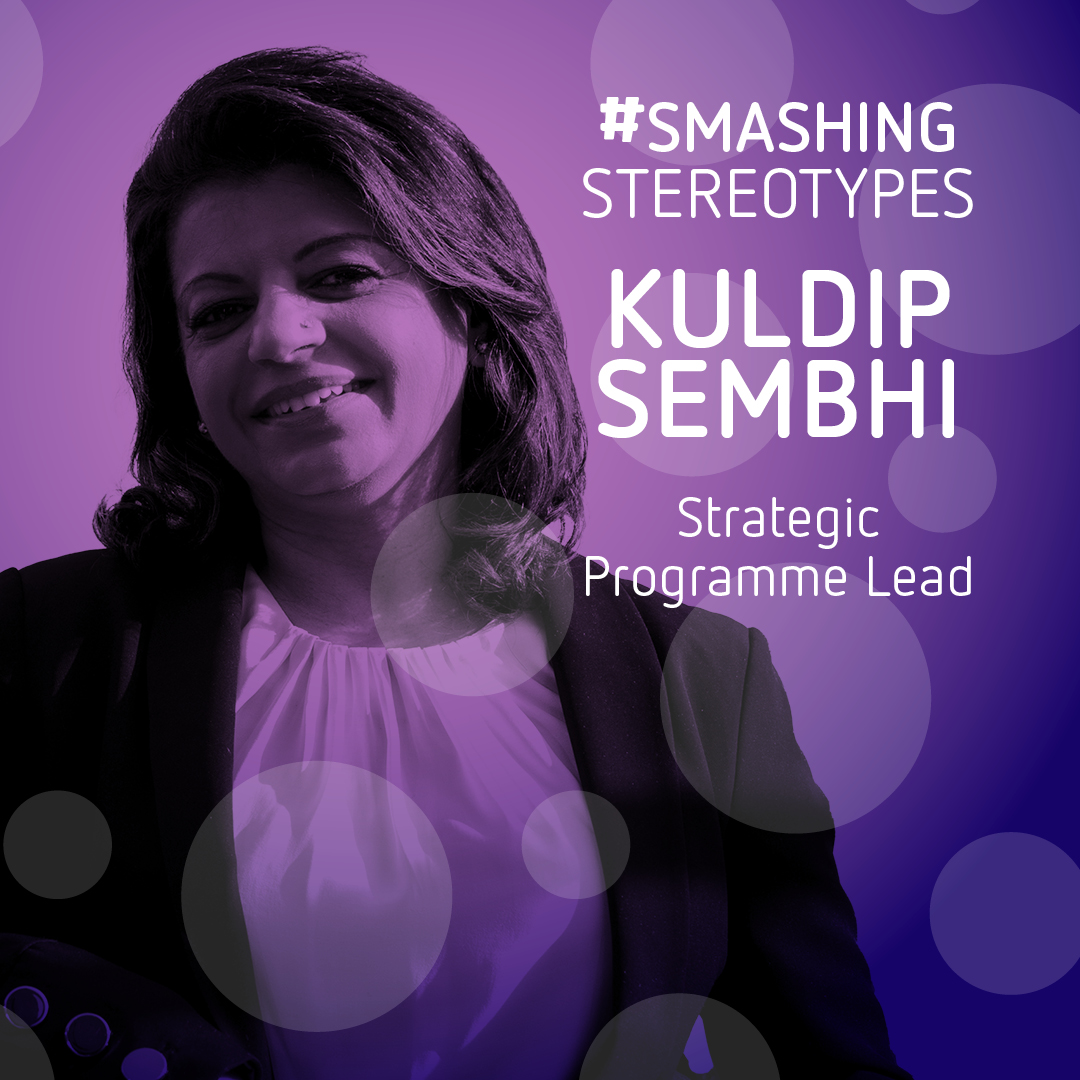
Kuldip Sembhi

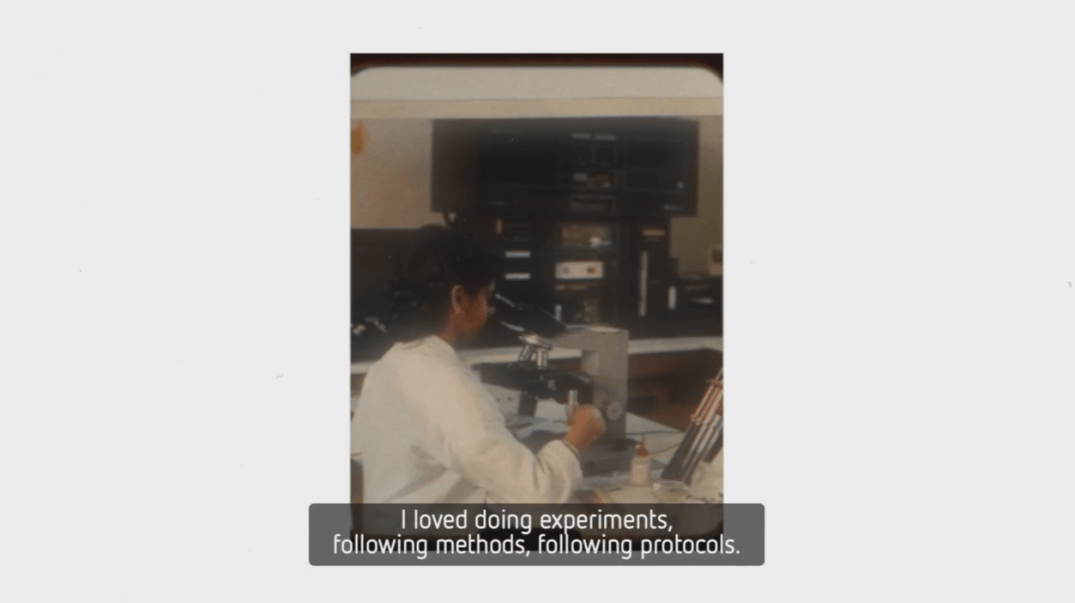
Kuldip started her working life as a junior lab technician in the NHS before becoming a clinical research technician. After starting a family, she switched careers in her thirties, taking a job in project management at MSD

She is now National Strategic Partnerships Programme Manager, heading up the company’s effort to eliminate Hepatitis C in England.

As a daughter of first-generation immigrants from India that came to the UK in the 1960s, I had been guided by my parents to follow a career in teaching so that it would be easier for me to take time off in the holidays when I had children. But following my father’s death, I started reading about cancer and the science behind how cells multiplied. It fascinated and inspired me.

Read Kuldip’s full profile

primary article image

To learn more about the Smashing Stereotypes campaign, visit British Science Week’s website

GB-NON-07934 | Aug 2023 Approved for continued use Aug 2025